






Getting started with business credit cards.
What are business credit cards?
Business credit cards can be a powerful tool for any business, small or large. They make expense management more convenient, simplify financial reporting, and help separate personal and business finances. Many of the best business credit cards earn rewards, earning points per dollar spent that can be redeemed for flights and upgrades.

Which business credit card suits you?
Types of business credit cards
- Rewards credit cards. Rewards-based credit cards allow you to earn rewards points for your business spending, like advertising spend. These points can be redeemed for various perks, including travel, merchandise, or cashback.
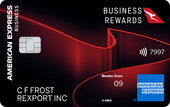
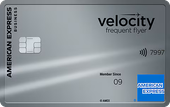
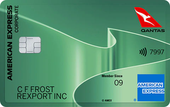
- Frequent flyer credit cards. Business credit cards can come with a range of travel-related benefits, tailored to meet the needs of business frequent travellers. These cards allow you to earn airline points, which can be used for flights, upgrades, and other travel-related rewards. A popular example of these are Qantas Business Rewards credit cards, which earn Qantas Points, and other business cards available to earn Velocity Points.
- Low rate credit cards. Designed for businesses focused on minimising expenses, these cards usually feature low interest rates and may come with low or no annual fees. While they typically don't offer rewards for spending, these cards can serve as a cost-effective solution for managing business expenses without the added costs associated with premium cards.

Reap the rewards.
Benefits of business credit cards
Business credit cards offer a range of benefits that can help your business streamline expense management, earn rewards, and build credit. Consider the following advantages:
- Expense tracking. Business credit cards make it easy to track business expenses, simplifying record-keeping and budgeting processes.
- Earn rewards from business expenses. Many business credit cards offer rewards such as cashback, points for frequent flyers with popular rewards programs, Qantas Frequent Flyer or Velocity Frequent Flyer, or discounts on business purchases, providing additional value for your spending.
- Separation of finances. Using a business credit card for company expenses, you can separate personal and business finances. This makes tax reporting and accounting tasks more straightforward.
- Build business credit. Consistent and responsible use of a business credit card can help establish and build your business credit profile, which may be beneficial when seeking financing in the future.

What is the best business credit card?
While there is no such thing as the best business credit as every business has different financial requirements and credit history, here are some of the most popular business credit cards based on clicks on our comparison tables.
Best small business rewards credit card
Best low rate business credit card
Best frequent flyer business credit card

Expert opinion
Top tip to find the best business credit card that suits you

David Boyd, co-founder of Credit Card Compare, explains further.
Choosing a new business credit card involves a comparison of more than interest rates and fees. Look for what rewards program the card is linked with, accounting software integration, reporting tools, and card acceptance. At Credit Card Compare, our goal is to make it easier for businesses to select a card that will maximise value and truly be beneficial while making it easier to manage spend and cash flow.

Key things to look for.
What to consider when choosing the best credit card for your business
When selecting a business credit card, it's essential to consider various factors to find the right fit for your business needs. Some key considerations include:
- Rewards. Evaluate the rewards programs offered by different cards to determine which aligns best with your business spending habits and preferences. Many different hotel cards come with status and give you the opportunity to transfer points into your preferred hotel's reward program.
- Annual fees. Consider any annual fees associated with the card and compare them to the potential benefits and rewards you may receive.
- Interest rates. The card's interest rates, especially if you anticipate carrying a balance, are crucial to avoiding high finance charges.
- Additional benefits. Some business credit cards offer perks such as free travel insurance, purchase protection, or airport lounge access with Priority Pass cards. Assess these extra benefits to find a card that suits your business requirements.
Personal vs business liability
When choosing a business credit card, it’s essential to understand who is responsible for repaying the debt — whether it’s you personally or your business.
With personal liability credit cards, you, as an individual, are responsible for all debts on the account. The card activity, including credit usage and repayments, is recorded on your personal credit file. To qualify for a personal liability credit card, you’ll typically need to provide your financial information, though an ABN is still required for a business credit card.
If you’re the sole owner of a business, you may feel comfortable opting for a personal liability credit card. However, if your business has multiple partners and you prefer the business entity to take responsibility for the account, keeping business finances separate from personal finances, a business liability credit card might be the better option.
With a business liability credit card, the business entity, including all partners, is collectively responsible for repaying the debt. Card activity is recorded on the business’s credit file, not on individual personal credit reports. To qualify, you’ll need to provide detailed financial information about the business and all its owners. Due to the more extensive documentation requirements, applications for business liability credit cards may take longer to process.
Business credit card vs business line of credit
A business line of credit could be another financing option that offers ongoing access to cash flow, depending on your specific funding needs. The features are similar to how credit cards work, although you won't have a physical card with a business line of credit.
Two main types of business cards offer a line of credit: credit cards and charge cards. Unlike personal cards, where charge cards are not widely available, American Express offers a greater selection of charge cards for businesses.
Business credit card vs charge card
Here are some key features of each to help you decide whether a credit card or charge card will be best for your business:
Business credit card
- Credit limit. Fixed.
- Interest. Charged on card balance after interest-free period.
- Rewards and perks. Widely available.
Business charge card
- Credit limit. Not fixed.
- Interest. Not charged, but the balance must be repaid in full each statement period.
- Rewards and perks. Widely available.
Choosing between a business credit card and a charge card depends on your business's specific needs and financial management style. If you prefer a fixed credit limit and the flexibility to carry a balance from month to month, a business credit card may be more suitable. However, a business charge card could be a better fit if you want the convenience of no fixed credit limit and are confident in paying off the balance in full each statement period.
Expert opinion
The rewards and perks of choosing the best business credit card

Andrew Boyd, co-founder of Credit Card Compare, shares his experience of using a business credit and the rewards earned.
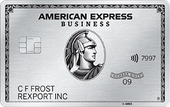
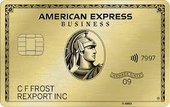
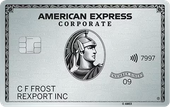
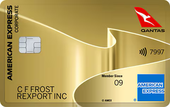
Our business credit card has been indispensable. I've lost count of the business-class flights, upgrades, and 5 star hotel stays booked using points earned from putting business spend through it. We currently use an Amex Gold business card and an Amex Platinum business card.
We would never have had these extras if we decided to pay most business expensives with a debit card.

Business cards that work for you.
How business credit cards can help your business grow
Business credit cards can play a significant role in supporting your business growth and financial stability. Here are ways in which business credit cards can benefit your business:
- Cash flow management. Business credit cards provide a flexible payment option to manage cash flow fluctuations and cover unexpected expenses.
- Access to capital. A business credit card can provide access to a revolving line of credit that can be used for business investments or to seize growth opportunities.
- Building credit history. Establishing a positive credit history through responsible credit card use can improve your business's creditworthiness over time. A good credit history will be useful when seeking business loans.
- Employee spending control. Many business credit cards allow you to set spending limits for employee cards, giving you greater control over company expenses. However, some providers may charge for additional cards. Remember to review the provider's terms and conditions before applying to avoid any unexpected charges.
- Separating personal and business expenses. One of the key advantages of using a business credit card is the ability to keep business and personal transactions separate, making accounting much easier.
- Spend tracking. Many business credit cards come with expense tracking tools and integration with accounting software, further simplifying financial management and helping you make more informed business decisions.
- Balance transfer. Some business credit cards may let you transfer the balance from an existing card to a new one, offering a reduced interest rate on the transferred amount for a limited time. This can be a useful way to pay down credit card debt more quickly by taking advantage of the lower interest rate.
Business credit cards with Xero direct feeds
Xero is a widely used accounting software that simplifies the reconciliation of business transactions. Some business credit cards offer direct feeds to Xero, allowing transactions to be automatically imported into the software, which streamlines the reconciliation process.
Once you set up a direct feed between your business credit card and Xero, all transactions made with that card are automatically imported into your Xero account. This not only simplifies reconciliation but also ensures that your financial records are accurate and up-to-date, making it easier to manage cash flow and track expenses.
With Xero, you can categorise business expenses automatically and even track each cardholder’s transactions separately, giving you greater control and clarity over your finances.
Most major banks in Australia offer direct feeds to Xero, including American Express, allowing your business credit card transactions to be seamlessly integrated into your organisation’s Xero account.

Fees and charges associated with a business credit card
When comparing credit cards for your business, it’s important to consider the various fees associated with each card, as they can significantly impact your budget.
- Annual fees. Most business credit cards in Australia come with an annual fee that can range from a few hundred to a couple of thousand dollars. Some cards may offer a waived annual fee for the first year, providing potential savings, but it’s important to check the fee that applies once the no-fee period ends.
- Interest rates. Interest rates on purchases can range from 10.99% p.a. to 23.99% p.a. Additionally, while some cards may not offer any interest-free days, others could provide up to 55 interest-free days, depending on the card.
- Additional cardholder fees. If you need to issue additional cards for your employees, be aware that some providers may charge an extra fee for each card.
- Foreign transaction fees. When processing transactions overseas or online in a foreign currency, a fee typically ranging from 2% to 3% of the transaction amount may apply.
Note that the Australian Taxation Office (ATO) allows you to claim ordinary business expenses, including fees related to using a business credit card.
If you’re keen to earn points for paying the ATO, a business credit card is more likely than a personal one to class this as “eligible spending” in Aussie terms.
However, it’s advisable to consult with your accountant to understand exactly which fees are deductible and how to maximise the tax benefits for your specific business situation.

Tax implications of business credit card rewards and fees
The ATO allows certain business expenses to be tax deductible, and you might be wondering how this applies to your business credit card.
Credit card fees incurred for business purposes are generally considered operating expenses, making them tax deductible. These fees can be claimed as deductions when calculating your business tax liability, potentially reducing your overall tax burden.
As for rewards earned through credit card purchases, such as frequent flyer points, they are usually not considered assessable income and are therefore not taxed. However, if your credit card is used exclusively for business transactions and the rewards are closely tied to your business activities, there may be situations where these rewards could be considered assessable and subject to tax.
For more detailed guidance, you can refer to Paragraph 2 of the PS LA 2004/4 (GA) on the taxation of consumer loyalty programs. It’s also advisable to consult with an accountant or financial advisor to fully understand the tax implications related to your business credit card expenses and rewards.

Eligibility criteria for a business credit card
Not all businesses will be eligible for a business credit card. Remember that eligibility can also depend on aspects of your business and you as a business owner. Generally, you must:
- Be 18 years old or over.
- Be an Australian citizen or permanent resident.
- Be a Director or Controller of the business.
- Have a valid ABN that's registered for GST.
- Have a good credit history with no payment defaults.
- Meet the lender's requirement for minimum business turnover.

How to apply for a business credit card
You can usually apply for a business credit card online and get a response in 60 seconds. You'll need to have a few key pieces of information on hand:
- Details about your personal income, as well as your business revenue and expenses
- Information on your assets and liabilities.
- Your driver's licence or other form of ID.
- Details about the ownership of your business as it appears on ASIC (for the Director and/or Beneficial Owner).
- You may also need to provide contact details for your accountant or the company's financial secretary.



