


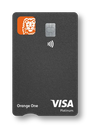





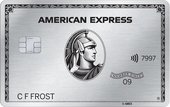

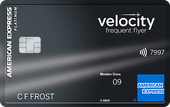

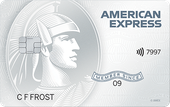



Get more rewards for your daily spend.
What are rewards credit cards?
Rewards credit cards let you earn points on eligible purchases, which can be redeemed for various rewards through the card's rewards program. Transactions that do not earn rewards include balance transfers, cash advances, and other "cash equivalents". There are cards that earn points on ATO payments, often at reduced earn rate, and some classify ATO spending as ineligible for rewards.
A typical points earn rate would be 1 point per $1 spent. Points are typically valued in or around at 1 cent each, but this varies widely between programs and is significantly affected by what you redeem them for.
Business and corporate credit cards offer an enhanced package of rewards with earn rates and travel benefits that are generally better than their consumer counterparts.

What would like to earn rewards for?
Different types of rewards programs
- Bank rewards. Points earned with programs such as Amex Membership Rewards, ANZ Rewards, Commbank Awards, NAB Rewards, Westpac Altitude Rewards can be redeemed be the usual garb, but the most valuable redemption is to transfer points to one of the program's partner airline or hotel program and book travel.
- Cashback. If you'd rather just have cold, hard cash instead of points, then cashback cards are worth considering.
- Frequent flyer rewards. Qantas and Velocity are the two most popular programs. If you are not loyal to either, you may be interested in a Star Alliance-linked card instead.

Use our quick credit card search
Which rewards program do you want to earn points with?
- ✓ Compare 200+ credit cards from 60+ providers
- ✓ Independent and transparent comparisons
- ✓ Compare cards side-by-side

Reap the rewards.
Benefits of rewards credit cards
- Earn rewards on everyday spending. One of the main advantages of rewards credit cards is the ability to earn rewards on everyday purchases like groceries, petrol, and bills. They're a way to get more value from your normal spending.
- Travel benefits. Many rewards credit cards offer travel perks such as airport lounge access and travel insurance. Some come with travel creditor vouchers you can use to offset the cost of travel booking.
- Sign-up bonuses. New cardholders who meet spending requirements can earn points often worth hundreds of dollars or more when redeemed for premium class flights.

The sky is the limit.
What you can use reward points for
Different cards have a different mix of available rewards, but they are generally some or all of the following:
- Consumer goods like clothing, cosmetics, electronics, etc.
- Donations to partner charities
- Flight, hotel, and cruise bookings, car rental, etc.
- Gift vouchers, cashback, and statement credits
- Home, car, and travel insurance
- Tickets for concerts, movies, sports matches, etc.

Let's run the numbers.
Are rewards credit cards worth the effort and money?
It all comes down to your spending patterns, financial diligence, and the card you choose.
When working out if a rewards credit card is worth it for you, take the card's entire offer into consideration. Weigh the annual fee against the combined value of the sign-up bonus points, the value of the points you'd earn from normal spending, and the value of whatever perks the card (has like insurance). If the card has perks you know you won't ever use, discount their value to zero.
Say a card has an annual fee of $300 and we value a point at 0.5 cents each. The example card comes with 100,000 sign-up bonus points, two airport lounge passes valued at $50 each if resold, and earns 1 point per dollar spent. If you spend $2,500 each month on it (based on your current spending), you'd earn 30,000 points over the year. With the total points earned valued at $650 (130,000 x 0.5 cents) and the passes at $100 (2 x $50), and assuming you pay it off in full each month, you would be coming out ahead.

Make your rewards card do the heavy lifting.
How to choose a rewards credit card
With Australians now using their credit cards more than ever before, a rewards credit card can be used to get more for your money. The problem is they don't come free and you want to come out ahead after the annual fee is taken into consideration.
It’s worth spending time weighing the benefits against the costs in light of your normal spending from month to month. Here are some key points to consider before applying for a rewards credit card.
Lifestyle alignment
Would you rather earn cash or save up points for travel? If so, do you have a preferred airline or alliance? Would you actually make use of perks like access to airport lounges or is it just nice to have?
Annual fees
Rewards cards usually have higher annual fees than cards that aren't linked with a rewards program.
If the annual fee is higher than the combined value of the rewards points earned from whatever sign-up bonus there is, your normal spending, and the card's benefits, then you aren't really coming out ahead.
Sign-up bonus spending targets
Many rewards cards offer attractive sign-up bonuses, but you've got to meet a minimum spend requirement in order to get them. Targets vary between cards, but it's typically a combination of spending a certain amount on the card within the first few months of being approved.
Given your normal spending pattern, are you able to hit the target?
Your normal spending pattern
Do not spend money just to earn points since this is likely to end with you being in debt. Estimate how much you would normally spend each month and use that to calculate how many points you would earn.
Interest rates
Rewards credit cards typically have higher interest rates than no-frills cards.
If you regularly carry a balance, interest charges are likely to quickly outweigh the value of the rewards and you might want to consider a low rate credit card instead or using a 0% balance transfer to get your debt paid off.
Expiration, caps, and tiers
Check if the rewards points have an expiry date. Most don't, but some — like Qantas — expire if you don't use them within a certain period.
Some cards limit how many points you can earn in a given period, e.g. 10,000 points per statement period, 120,000 points per annum, or a combination of both. They may also have tiered earn rates such that the earn rate per dollar is reduced when you spend more. If you're a big spender, this can make a big difference.

Expert opinion
Top tip on how to compare to get the best rewards credit card

David Boyd, co-founder of Credit Card Compare, shares an important tip that's often overlooked.
Don't take the card's earn rate at face value if you plan on using points for flights since you are most likely going to have to transfer them to a partner frequent flyer program. Check what the transfer ratio is. It's not always 1 airline point per 1 reward point.

Ways to get your rewards card to work harder.
How to maximise your rewards credit card points
Maximising the benefits of a rewards credit card takes more than just using the card for occasional purchases. To truly get the most out of your card and points, here are some effective tips that can help:
- Look for bonus points offers. Many rewards credit cards come with attractive sign-up bonuses if you meet a minimum spend within the first few months. Taking advantage of these offers is a quick way to boost your points balance, but ensure the minimum spend aligns with your budget and typical expenses.
- Choose cards with higher earn rates. Compare cards that offer higher earn rates on categories you regularly spend on. Some cards offer more points per dollar on groceries, fuel, or dining. Make sure the overall value of the card, including fees, justifies these higher earn rates.
- Know about eligible purchases. Not all purchases earn points. Review the card’s terms to ensure you know which purchases qualify for points accumulation, as certain expenses like utility bills or government payments may be excluded.
- Match the card to your spending habits. If you’re a frequent traveller, a frequent flyer credit card could be ideal as it offers extra points for travel-related purchases. For everyday spending, a general rewards card might be more suitable, especially if it covers more spending categories.
- Use your card for everyday purchases. Make your rewards card your primary payment method for everyday purchases such as groceries, fuel, and bills—provided you can comfortably pay off the balance in full each month. This helps you avoid interest charges while earning points on regular spending.
- Add additional cardholders. Many credit cards allow you to add additional cardholders, such as family members, at no extra cost. This can help increase your points earning potential, as multiple people using the card will accumulate points faster. Just be mindful of overspending.
- Pool points with family or friends. Certain rewards programs allow you to transfer points between family members or friends. Pooling points together can help you reach higher-value rewards faster.
- Pick up the bill in group situations. When dining or splitting expenses with friends or family, offer to pay with your credit card and have others transfer their share to you or give you cash. This allows you to earn points on the full amount of the bill, helping you accumulate points faster.
- Redeem your points wisely. Maximise the value of your points by redeeming them for high-value rewards like flights or accommodation, rather than lower-value options like gift cards or merchandise. Always ensure you use the points before they expire and make the most of your rewards program’s best offerings.
Expert opinion
The most common mistake people often make with rewards credit cards

Andrew Boyd, co-founder of Credit Card Compare, explains the common mistake Australians make when using rewards credit cards.
Rewards credit cards can be valuable if used correctly, but the biggest mistake people make is focusing too much on earning points and not enough on managing their spending.

What Australians think of rewards credit cards
Many Australians look to credit cards as a way to earn rewards on their everyday spending, but choosing the right one can be tricky. One user shared their thought process when selecting a rewards credit card, focusing on earning frequent flyer points:
"I’m a Silver member with Qatar Airways and have been enjoying the benefits. Since they’re investing in Virgin Australia, I was considering the Virgin Australia Velocity Flyer Card. It earns 0.66 Velocity Points per $1 spent, plus there’s a 60,000-point bonus if you meet the spending requirement in the first two months.
I’ve also been banking with CommBank for nearly 10 years, so the Smart Awards Credit Card seems like an easy option. It earns 1.5 CommBank Awards Points per $1 spent, which can be converted to 0.75 Velocity Points.
Another option is the Westpac Altitude Platinum Credit Card, which earns 0.5 Velocity Points per $1 spent and offers up to 80,000 bonus points."
Another user pointed out that while earning points is appealing, it's important to check fees, spending requirements, and whether the card is accepted for the majority of your spend:
"What I found ended up being the driver for me was working out on an average month how much I spend.
Most of these cards have a minimum spend for those signup bonuses, and some have a minimum spend that will impact ongoing rewards, fees, etc.
The other thing I looked at was which of my bills I could put on the card. I first thought AMEX looked good but then realised that a bunch of my spending didn't take AMEX. " one commenter advised.
Another user recommended looking at what cards your own bank is promoting.:
My bank is promoting cards within their app that change cvv every 24 hours as an additional layer of security. You'd need to check it out further but it sounded like the existing range of Wesptac cards but with an additional layer of security for free.

Popular credit card rewards programs in Australia
- American Express Membership Rewards. Offers flexible points that can be redeemed for travel, gift cards, or transferred to various frequent flyer programs.
- Amplify Rewards.St.George, BankSA, and Bank of Melbourne members can earn points on everyday purchases, which can be redeemed for flights, gift cards, or merchandise.
- ANZ Rewards. Earn points that can be used for travel, cashback, and a wide range of rewards, including gift cards and electronics.
- Bankwest More Rewards. Offers points on eligible purchases that can be redeemed for cashback, gift cards, and travel options.
- Bendigo Bank Rewards. Provides a simple rewards program where points can be redeemed for a wide variety of products, gift cards, and experiences.
- Citi Rewards. A flexible rewards program offering points redemption on travel, merchandise, and cashback options.
- CommBank Awards. Offers points that can be redeemed for flights, merchandise, gift cards, and shopping with partner retailers.
- Flybuys Rewards. A popular program where points can be earned at various retailers and redeemed for groceries, travel, and gift cards.
- HSBC Rewards. Allows cardholders to redeem points for travel, shopping vouchers, and other rewards through the HSBC Rewards store.
- Latitude Infinity Rewards. Offers flexible rewards, allowing points to be redeemed for travel, gift cards, and a range of retail items.
- Macquarie Rewards. A program offering points for travel, cashback, and other retail rewards.
- NAB Rewards. Provides points that can be redeemed for travel, gift cards, and merchandise, with options to transfer points to partner programs.
- Qantas Frequent Flyer. Earn Qantas Points on purchases, which can be redeemed for flights, upgrades, and travel-related services.
- Suncorp Credit Card Rewards. Offers points for eligible purchases, which can be redeemed for cashback, travel, and merchandise.
- Star Alliance Rewards. Earn points that can be transferred to the individual rewards programs of Star Alliance airlines including Air New Zealand, Singapore Airlines, and Thai Airways.
- Velocity Frequent Flyer. Earn Velocity Points to redeem for flights, upgrades, and travel perks with Virgin Australia and partner airlines.
- Westpac Altitude Rewards. Provides points for everyday spending that can be used for flights, gift cards, and a variety of retail items.



